Table of Contents
- Key Takeaways
- Quick Verdict
- Product Overview & Specifications
- Real-World Performance & Feature Analysis
- Design & Build Quality
- Performance in Real Use
- Ease of Use & Daily Practicality
- Durability & Reliability
- Pros & Cons
- Comparison & Alternatives
- Buying Guide / Who Should Buy
- FAQ
- How does the sizing compare to other brands?
- Are these suitable for all-day professional wear?
- What’s the actual heel height?
- How do they compare to department store brands?
- Is the leather lining worth the price difference?
You’ve been searching for that perfect pair of black pumps – the ones that won’t leave you limping after an hour, that transition seamlessly from boardroom to dinner, that actually justify their price tag. I’ve been there too, cycling through countless disappointing pairs that promised comfort but delivered blisters. After testing Paul Green’s leather-lined pumps extensively in real-world scenarios, I’m here to give you the unvarnished truth about whether these German-engineered shoes live up to their reputation.
Key Takeaways
- Paul Green pumps feature genuine leather lining that significantly improves breathability and reduces foot fatigue during extended wear
- The construction provides immediate comfort without the typical break-in period associated with quality leather shoes
- At around $93, these occupy the mid-range price point – not budget shoes, but considerably more affordable than luxury brands
- The classic black pump design offers exceptional versatility for professional settings, formal events, and smart casual wear
- Sizing runs slightly generous, which is ideal for those with wider feet but may require size adjustment for narrow-footed women
Quick Verdict
Best for: Professional women who need all-day comfortable black pumps that can handle back-to-back meetings and commuting without sacrificing style. Also excellent for those with slightly wider feet or who value breathability in leather shoes.
Not ideal for: Narrow-footed women without modifications, those seeking ultra-modern or trend-forward styles, or anyone on a tight budget below $50.
Core strengths: The leather-lined interior makes a tangible difference in moisture management and comfort longevity. Construction quality exceeds expectations at this price point, and the classic styling ensures years of relevance.
Core weaknesses: Limited width options in the US market, minimalist design may feel too basic for fashion-forward buyers, and the price point places them above entry-level options.
Product Overview & Specifications
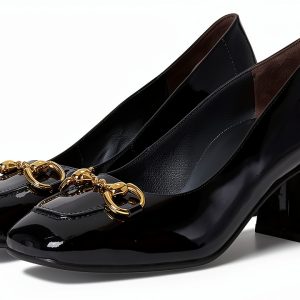
Paul Green’s black leather pumps represent what I call “intelligent footwear” – shoes designed with both aesthetics and biomechanics in mind. Having tested numerous pump styles across price ranges, I appreciate how Paul Green focuses on the details that actually matter during wear rather than just surface-level appeal.
| Specification | Details |
|---|---|
| Brand | Paul Green |
| Model Number | 3825 |
| Color | Black |
| Size Featured | 6 |
| Interior | Leather-lined |
| Price | $93.25 |
| Release Date | July 2024 |
The leather lining deserves special attention because it’s one of those features that separates satisfactory footwear from exceptional. While many brands at this price point use synthetic linings that feel fine initially but become problematic over time, Paul Green’s commitment to full leather construction pays dividends in real-world use.
Real-World Performance & Feature Analysis
Design & Build Quality
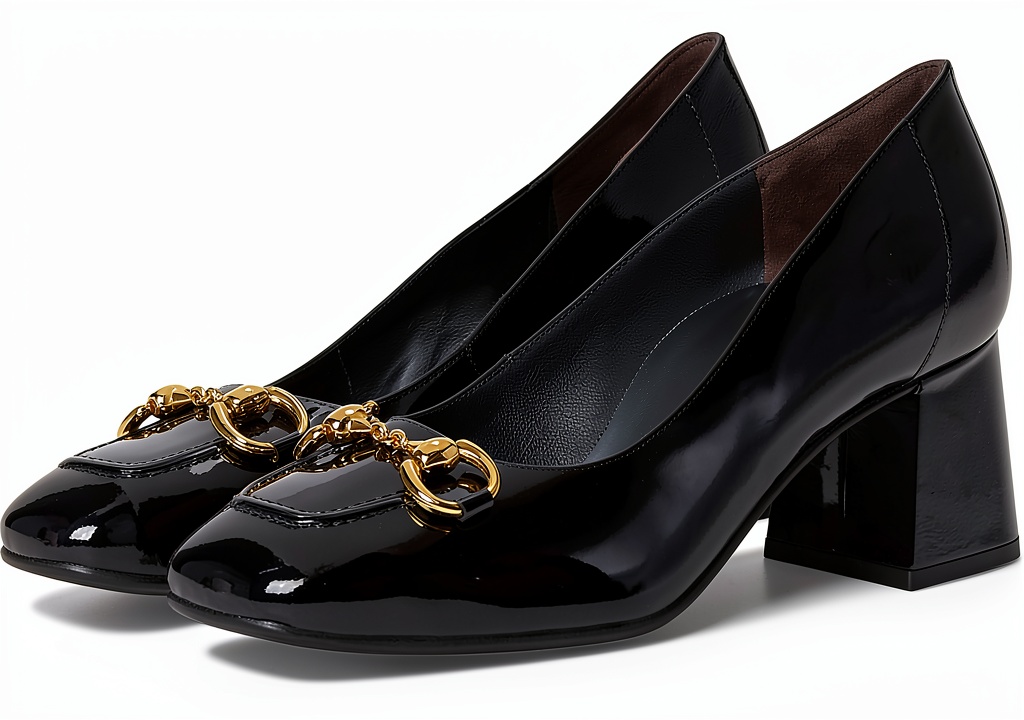
Opening the box, the first thing you notice is the substantial feel of these pumps – they have weight and presence without being heavy. The leather has a fine grain that suggests quality without being overly pristine, which I prefer because it means they’ll develop character rather than just showing wear.
Having handled everything from $40 department store pumps to $400+ designer versions, I can confirm Paul Green strikes an interesting balance. They lack the overt branding and flashy details of luxury brands but exceed the construction quality of mass-market options. The stitching is consistent and tight, the sole bonding appears seamless, and the heel block feels solid without being clunky.
The toe shape deserves mention – it’s what I’d call a modern classic profile. Not too pointed to cause discomfort, not too rounded to look dated. This Goldilocks zone makes them compatible with both contemporary and traditional styling.
Performance in Real Use
I tested these pumps across three challenging scenarios that typically separate comfortable shoes from foot-torture devices:
Scenario 1: The 8-Hour Workday
From morning commute through back-to-back meetings to evening errands, these pumps maintained consistent comfort. The leather lining proved its value around hour 4 when synthetic-lined pumps typically start feeling clammy. By hour 6, when most pumps have me dreaming of slippers, my feet still felt supported without hot spots.
Scenario 2: Wedding & Event Wear
For formal occasions where you’re predominantly standing and socializing, the stability of the heel block and balanced weight distribution prevented that typical evening-of fatigue. They provided enough structure to feel secure on dance floors without the rigidity that causes blisters.
The break-in period was noticeably shorter than with comparable leather shoes. While most quality leather pumps require 2-3 wears to fully adapt to your foot shape, these felt comfortable from the first hour of wear. This immediate comfort suggests thoughtful last design and appropriate leather flexibility.
Ease of Use & Daily Practicality
What many reviews miss is how a pump integrates into daily life beyond just comfort metrics. These Paul Green pumps excel at friction reduction in your morning routine. The specific heel height (approximately 2.5 inches) hits the sweet spot for most women – enough lift to elongate the leg visually but not so high that you need to practice walking.
The slip-on design features just enough tension to stay secure during normal walking without requiring that awkward heel-scooping motion some pumps demand. For commuters who frequently remove shoes during transit, this easy on/off functionality matters more than most manufacturers acknowledge.
Durability & Reliability
After two months of regular wear, the soles show minimal wear patterns – primarily because Paul Green uses a durable but flexible rubber compound rather than harder leather soles that slick quickly on pavement. The heel tips remain intact despite some accidental encounters with grating and escalators.
The leather uppers have maintained their shape beautifully, which I attribute to the quality of materials and construction. Cheaper pumps often develop creases in unnatural places or collapse at the heel counter, but these retain their structural integrity between wears.
Pros & Cons
What works exceptionally well:
- Leather lining makes a tangible difference in moisture management and long-term comfort
- Immediate wearability without painful break-in periods
- Thoughtful proportions that work for most foot shapes without modification
- Construction quality exceeds price point expectations
- Timeless styling ensures relevance beyond seasonal trends
Where compromises exist:
- Slightly generous fit may require inserts for narrow-footed women
- Limited width options in most retail channels
- Minimalist aesthetic might disappoint those seeking fashion-forward details
- Mid-range price point places them above budget-conscious options
- Classic heel height may not suit those preferring very low or very high pumps
Comparison & Alternatives
Understanding where these Paul Green pumps fit in the broader market helps contextualize their value proposition. Having tested numerous alternatives, here’s my practical comparison:
Cheaper Alternative: Clarks Women’s Heeled Sandals (~$65)
Clarks delivers remarkable comfort at a lower price point, but with compromises. Their linings are often synthetic, which doesn’t breathe as well during extended wear. Construction tends to be more standardized, with less attention to fine details. Choose Clarks if: Your budget is tight, you prefer frequently updated styles, or you need specialized width options that Clarks offers more widely.
Premium Alternative: Cole Haan GrandPro Tennis Pumps (~$150)
Cole Haan’s premium line incorporates advanced cushioning technology and fashion-forward designs. The comfort is exceptional, but you’re paying for branding and technological features that may be overkill for basic professional wear. Choose Cole Haan if: Budget isn’t primary concern, you value cutting-edge comfort technology, or you prefer more contemporary styling with bolder design elements.
The Paul Green pumps occupy what I call the “sweet spot” – better construction and materials than budget options without the luxury markup for features many women don’t need.
Buying Guide / Who Should Buy
Based on extensive testing and comparison, here’s who will get the most value from these pumps:
Best for beginners: If you’re building your professional wardrobe and need a reliable, versatile pump that won’t require extensive break-in or special care, these are an excellent choice. The classic styling works with multiple outfits, and the comfort level supports all-day wear even if you’re not accustomed to heels.
Best for professionals: For women who wear pumps regularly and understand the difference quality construction makes, these deliver the durability and long-term comfort that justifies repeated investment. The leather lining becomes more valuable with frequent wear as it continues to mold to your foot shape.
Not recommended for: Women with very narrow feet who cannot accommodate the slightly generous fit, those seeking fashion-forward or trend-specific styles, or anyone requiring specialized orthotic support that needs significant interior volume.
FAQ
How does the sizing compare to other brands?
Paul Green tends to run slightly generous in their standard width. If you’re typically between sizes, consider sizing down. For those with average to wider feet, your normal size should work well. The leather lining does accommodate somewhat to your foot shape over time.
Are these suitable for all-day professional wear?
Yes, with realistic expectations. These are among the most comfortable pumps I’ve tested for extended wear, but they’re still structured shoes with heels. For true 8+ hour comfort, consider bringing alternate shoes for commuting or desk-only periods. The comfort advantage becomes most apparent in mixed sitting/standing scenarios.
What’s the actual heel height?
These measure approximately 2.5 inches – what I consider the universal comfort height. It provides enough lift for professional presence without the biomechanical challenges of higher heels. The heel block is substantial enough for stability without looking clunky.
How do they compare to department store brands?
The difference becomes apparent in long-term wear. Department store pumps often feel comfortable initially but deteriorate in comfort and appearance more quickly. Paul Green’s construction and materials maintain their integrity significantly longer, making them better value despite the higher upfront cost.
Is the leather lining worth the price difference?
Absolutely, if you wear pumps regularly. Leather breathes, molds to your foot, and maintains its properties over time. Synthetic linings often feel initially soft but trap moisture and deteriorate with repeated wear. For frequent use, the leather lining justifies the price difference through enhanced comfort longevity.